Posts

Finding Fulfillment Despite Vision Loss: Living with Retinitis Pigmentosa

Image
Introduction Retinitis Pigmentosa (RP) is a genetic disorder that leads to progressive vision loss and affects the retina, the part of the eye responsible for forming images. I, as someone in my late twenties living with RP, have experienced the emotional turmoil that comes with the diagnosis. In this article, I will share my personal journey with RP and the emotions that come with it, as well as the things that have helped me to manage and live a fulfilling life despite my vision loss. How a scenery might look to someone who has RP The Emotional Rollercoaster of Living with RP Fear and Anxiety: Upon being diagnosed with RP, the first emotions I experienced were fear and anxiety. I was concerned about losing my independence, the ability to do things I loved, and how my vision loss would impact my relationships and future. I wasn't sure if I would be able to continue working or how fast my vision would deteriorate, as the doctors informed me that this varied from person to person....

Unlocking Potential: Solutions for Visually Impaired Children's Social Emotional Needs

Image
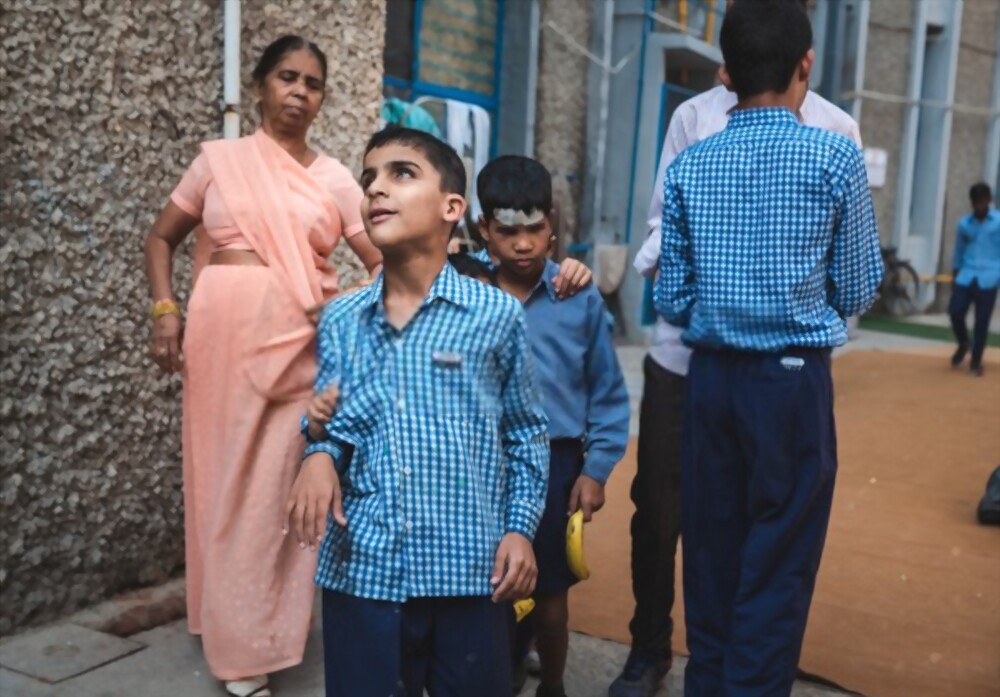
Introduction Visual impairment can profoundly impact a child's social and emotional wellbeing, as it affects their ability to participate in activities, form relationships, and interact with the world around them. This article will explore the challenges visually impaired children face and provide practical solutions to support their social and emotional wellbeing. Challenges faced by visually impaired children Isolation and Loneliness: One of the biggest challenges faced by visually impaired children is isolation and loneliness, as they may struggle to form meaningful relationships with their peers. They may feel left out in social situations and find it difficult to join in with group activities. Imagine navigating a party or going to a restaurant without being able to understand your surroundings. Young people can easily get overwhelmed and may opt for a more solitary life in order to avoid stress. Over time This can lead to low self-esteem and a lack of confidence. Access to in...

Discovering the World Through Touch: Activities for Blind Toddlers

Image
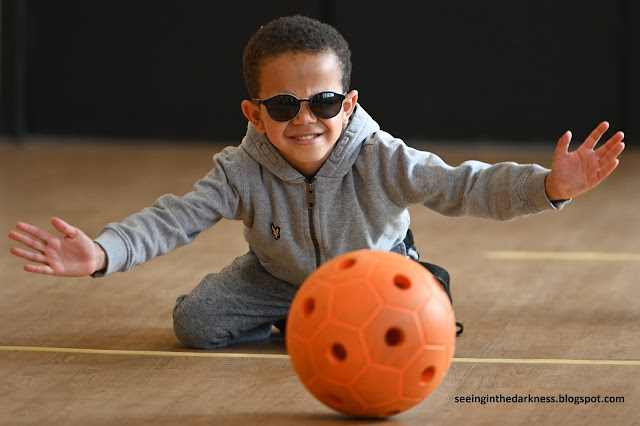
As a counselor who deals with many mothers with children who are blind or have visual impairments, I understand the unique joys and challenges of parenting a child with visual impairments. While it may feel overwhelming at first, with the right approach and resources, you can create a fun and enriching experience for both you and your child. One of the most important things to remember is that all children, regardless of their vision, need opportunities to engage in activities that stimulate their minds and bodies. With that in mind, there are various games and activities that are well-suited for blind toddlers. Tactile Play: Tactile play is one of the most popular activities for blind toddlers. This type of play involves introducing different materials and textures to your child through touch. For example, you can place a variety of objects in a box and let your child explore them. Or, you can use felt or foam shapes to create a tactile game board and move pieces around it. This type...

Empowering the Future: A Guide to Teaching Braille to Children

Image
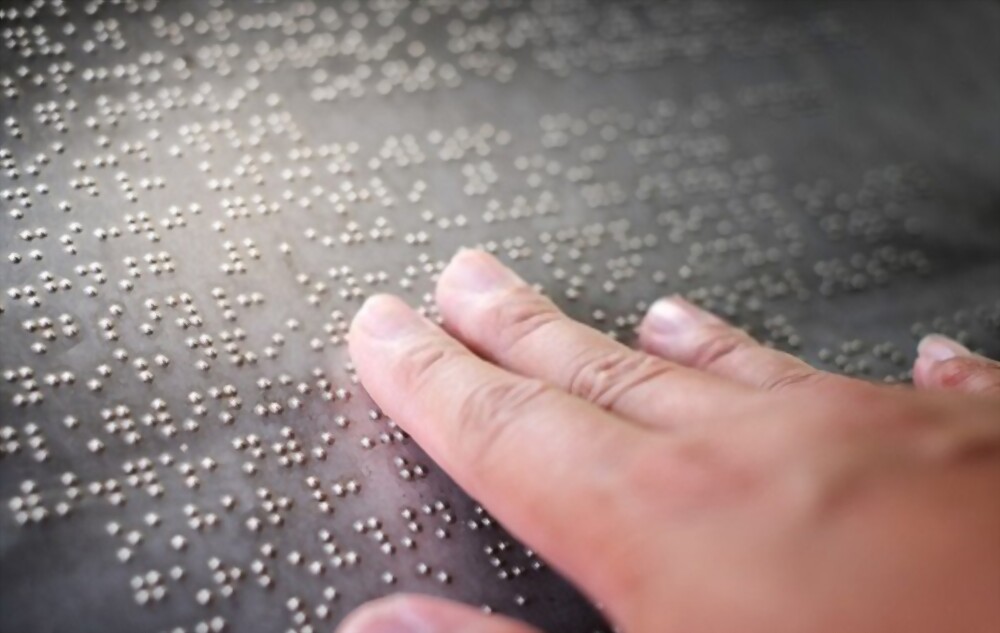
   Braille is a system of raised dots that can be felt by touch and used to read and write. It is the primary means of written communication for individuals who are visually impaired or blind. Learning braille can help children with visual impairments improve their literacy and independence, and increase their opportunities for education and employment. When to Teach Braille: It is recommended that children with visual impairments begin learning braille as early as possible, ideally between the ages of 3 and 5. This is because the earlier a child begins to learn braille, the easier it will be for them to develop reading and writing skills that are essential for success in school and later in life. Tools and Resources: 1. Braille Books: Braille books are a valuable resource for children who are learning braille. There are a variety of braille books available, including storybooks, textbooks, and activity books. 2. Braille Writers: Braille writers are machines that produce b...

A Parent's Guide to Navigating a Visual Impairment Diagnosis for their Child

Image
As a parent, it can be extremely difficult to deal with vision-related diagnoses for our children.  I've gone through the same experience and hope my expertise and experience can help others who are in a similar boat deal it with. Depression, anxiety, and hopelessness are common reactions. Giving in to these feelings will not benefit anyone, especially the child in question. Try to work with a therapist to overcome your fears. What to do when your child is diagnosed with visual impairment?  Many things can be done. First, seek medical advice; consult with a pediatrician, optometrist, or ophthalmologist to determine the cause and extent of your child's visual impairment and to discuss all possible treatment options. Spend time learning about the condition, and research the type of visual impairment your child has, including the symptoms, causes, and prognosis. Hence, you have a better understanding of what your child is going through. The more you research, the better equipped ...

Lighting for the Visually Impaired: The Importance of Proper Placement

Image
Lighting is a crucial aspect for individuals with low vision. Adequate lighting can help improve visual perception and reduce eye strain, leading to greater independence and comfort in daily activities. Here are some of the different lighting options for low-vision people: Natural Light: Natural light from windows and skylights is the most preferred light source for individuals with low vision as it is bright and provides good color rendering. Task Lighting: Task lighting provides focused light that is directed toward a specific area, making it easier to perform activities such as reading, writing, or cooking. Desk lamps, floor lamps, and under-cabinet lights are all examples of task lighting. Full-Spectrum Light: Full-spectrum light is designed to mimic natural light and provides excellent color rendering, making it ideal for individuals with low vision. It can also help alleviate symptoms of seasonal affective disorder (SAD). LED Lighting: LED lighting provides bright, energy-effici...

How much assistance does a blind person need? The Disability Dilemma!

Image
Helping blind or disabled people can be a wonderful way to support them daily and encourage them to explore their independence. However, no matter how well-intentioned our assistance is, there may be a risk of doing too much. It is imperative for special people to keep practicing their skills daily to retain them and be as independent for as long as possible.. Therefore, it's essential to strike a balance between aiding and enabling independence.  Here are some tips for doing just that: Ask for their preference: Start by asking the person how they would like to be helped and what kind of assistance they need. This will give them control over the situation and make them feel respected. Try to provide them with some time to attempt the task on their own before jumping in with help. Offer support, not control: Offer support, but let the person make their own decisions. For example, guide a blind person to a door, but let them open it themselves. If the said door is one they frequent,...